UNPREDICTABILITY = RISK
As adults, even when life feels busy or chaotic, most of us have a mental roadmap for the day.
We know dinner is around 5.
We know baths happen before bed.
We know school is tomorrow.
We know what’s coming next.
That internal timeline gives us a sense of structure and security, even when we’re tired or overwhelmed.
But kids don’t have that roadmap yet.
They rely on us all day, every day, to help them understand what’s coming next.
So when your child keeps asking:
“What are we doing next?”
“When is dinner?”
“Are we leaving soon?”
“What are we doing tomorrow?”
It’s usually not because they’re being annoying.
They’re trying to anchor themselves in the day.
When the brain doesn’t know what’s coming next, it goes into scanning mode:
Am I missing something?
Is something about to happen?
Do I need to get ready?
For many kids, especially neurodivergent kids, that uncertainty can feel like risk to the nervous system.
And when the nervous system feels uncertain, stress goes up and tolerance goes down.
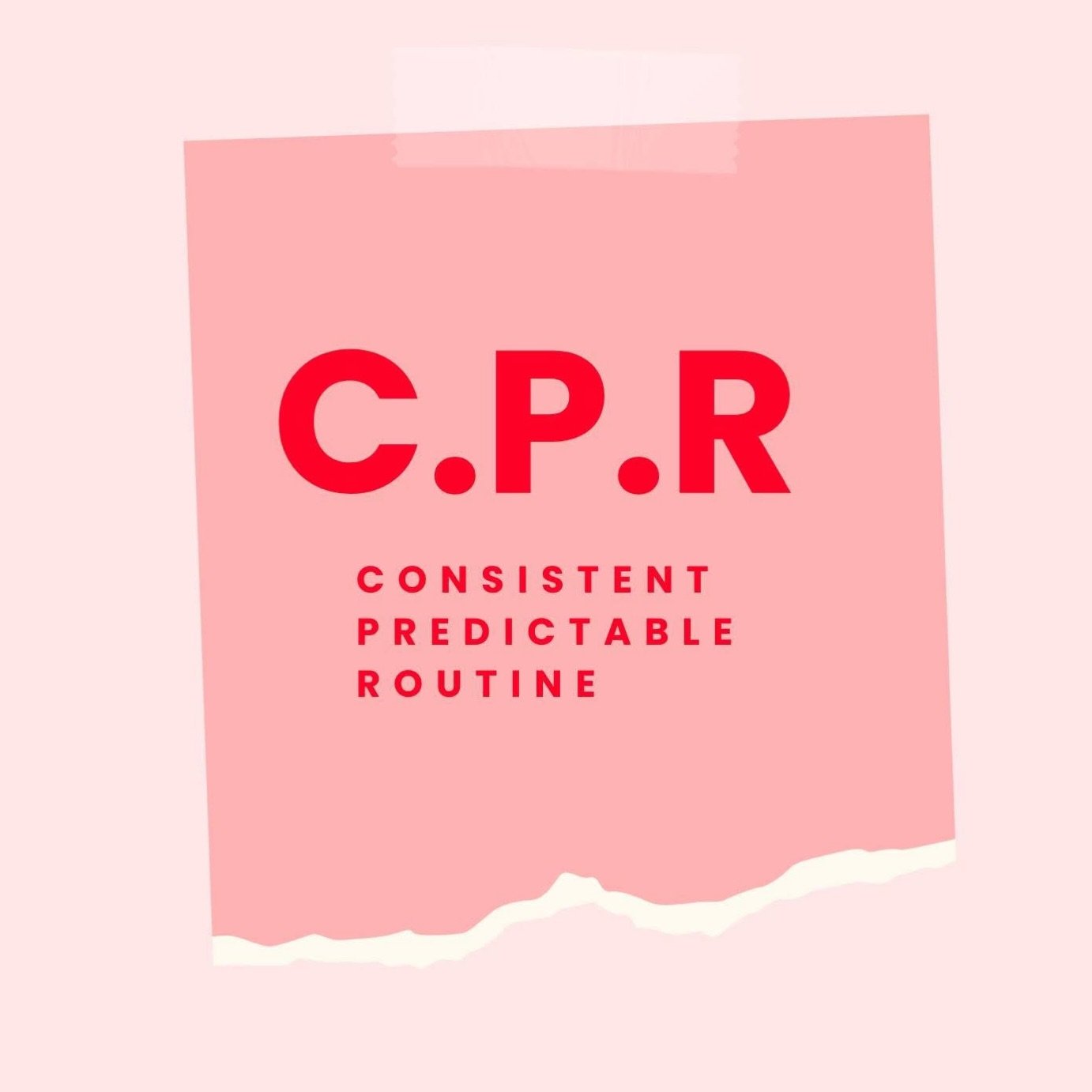
This is where C.P.R can really help.
C.P.R
Consistent
Predictable
Routine
When kids know what’s coming next, their brain doesn’t have to keep guessing.
Sometimes it’s as simple as saying:
“Snack now. Then free time until 4:30. At 4:30 we get ready for soccer.”
Or:
“You’ve got 20 minutes before dinner. Lego or trampoline?”
For example, when one of my kids ask me to do something with them and I can’t right then, I’ll say “I can at 7 o’clock” and set a timer so they can see when that time is coming instead of having to keep asking.
You’re giving your child a roadmap for the day until their brain can build one internally.
Over time, that’s how organisation and independence develop.
But first, the nervous system needs predictability.
💬 Does your child ask “what’s next?” a lot during the day? What seems to help them feel more settled?
Ever been told your child is "defiant"?
That they won't do something..when it feels more like they can't?
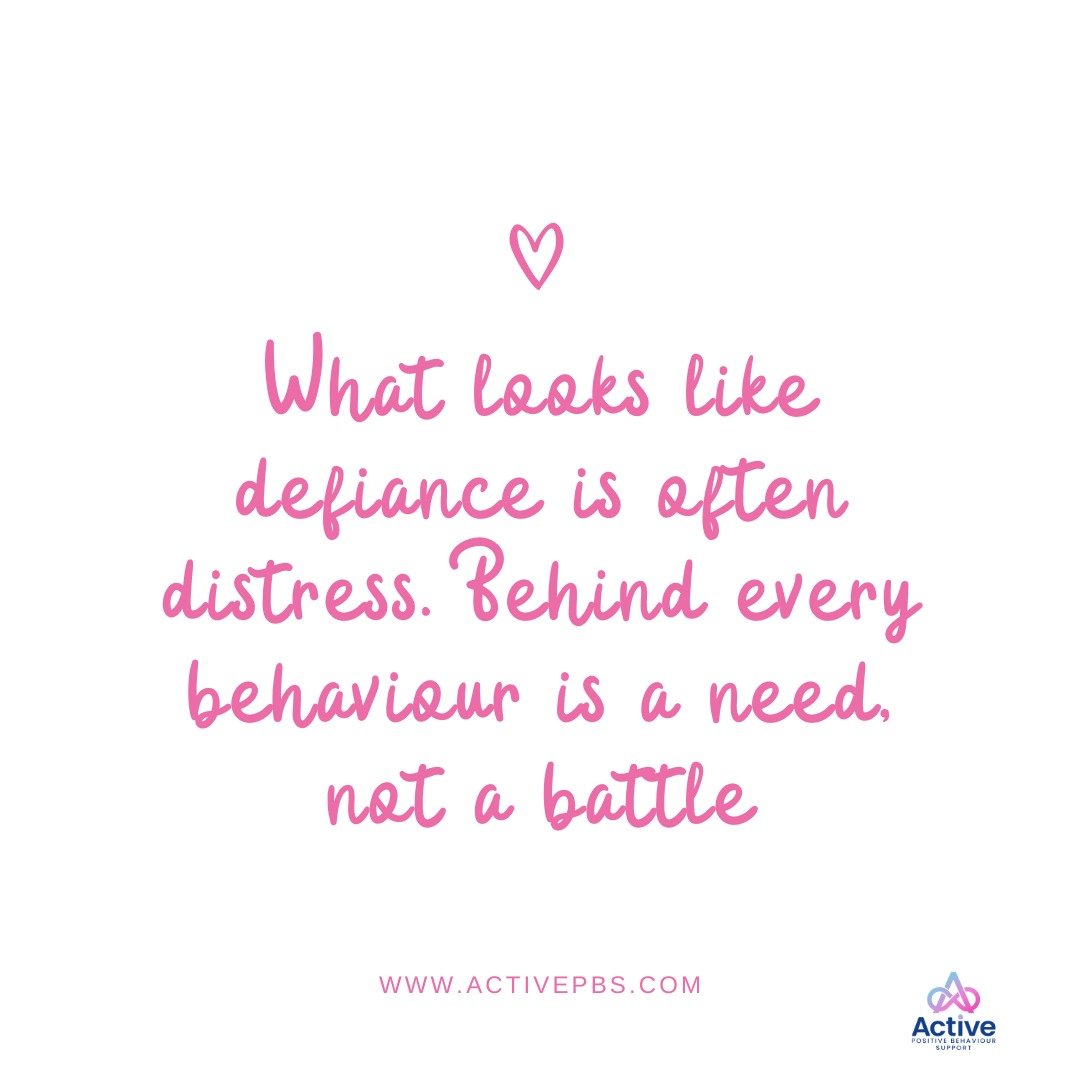
What looks like defiance is often distress.
And behind every behaviour is a need, not a personal attack, not a power struggle, not a parenting failure.
Parents aren't the problem. The lens we've been handed is. When we shift from "What's wrong with my child?" to "What's going on for my child?", everything starts to make a little more sense.
You're not alone, and you're not doing it wrong.
Let's start looking beneath the behaviour with compassion, curiosity, and connection.
#activePBS #neuroaffirming #behindthebehaviour #activepbs #geelongbehavioursupport
We talk a lot about behaviours we want to reduce… but what about the ones we want to see more of?
What does your child look like when they’re in their element?
▪️ When they feel safe?
▪️When they’re calm, creative, playful, regulated?
▪️When no one is telling them to be different?
Too often, families are asked to describe what’s challenging. But I want to know:
💬 What’s their spark?
💬 What are they great at?
💬 When do you see their joy?
Sometimes we get so caught up in the challenging behaviour that we forget to witness the magic.
So let's flip the script, drop a comment and tell me one thing your child does when they're feeling good
#Neuroaffirming #BehaviourSupport #ParentingWithCompassion #PositiveParenting #NeurodivergentKids #StrengthBased #ConnectionBeforeCorrection #NDParenting #GentleParenting #CelebrateTheWins #BehaviourSupportGeelong #Geelong
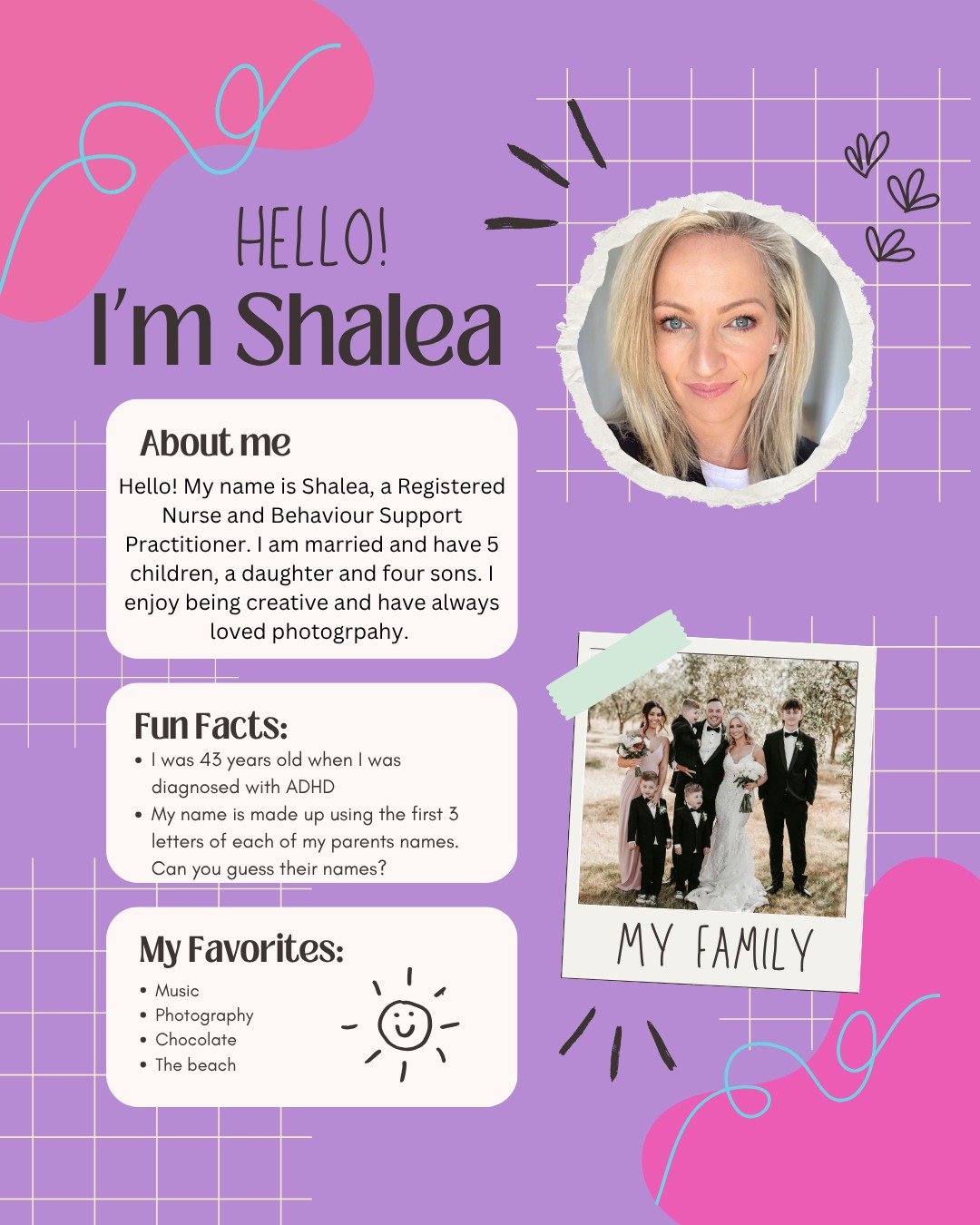
💜 Meet the human behind the behaviour support plans 💜
Hello and welcome! I created this page for families raising kids with disabilities, neurodivergence, complex needs or all of the above.
My goal is to share information that's actually useful while you navigate the world of behaviour support. If there's a topic you would like me to explore or break down, feel free to message me at shalea@activepbs.com. Im always happy to help.
If you're looking for behaviour support for your child, or just want to understand the process better, don't hesitate to reach out.
✨ Website coming soon! ✨
#behavioursupport #geelong #neuroaffirming #activepbs
When a child is dysregulated, yelling, swearing, running away, refusing, your instinct might be to correct the behaviour.
But here’s the catch:
Brains can’t learn when they’re in survival mode.
No logic. No consequences. No “teachable moment.”
If we want kids to do better, we have to help them feel safe first.
💡 That’s where connection comes in:
• Get low.
• Soften your tone.
• Offer presence, not pressure.
• Co-regulate.
• Then, when calm returns, that’s when teaching and reflection can happen.
🧠 This is a core principle in neuroaffirming behaviour support. Because it works!
#behavioursupport #neuroaffirming #neuroaffirmingparenting #geelong #geelongbehavioursupport #connectionbasedparenting #coregulationmatters #understandingbehaviour #pbs #ndis #activepbs
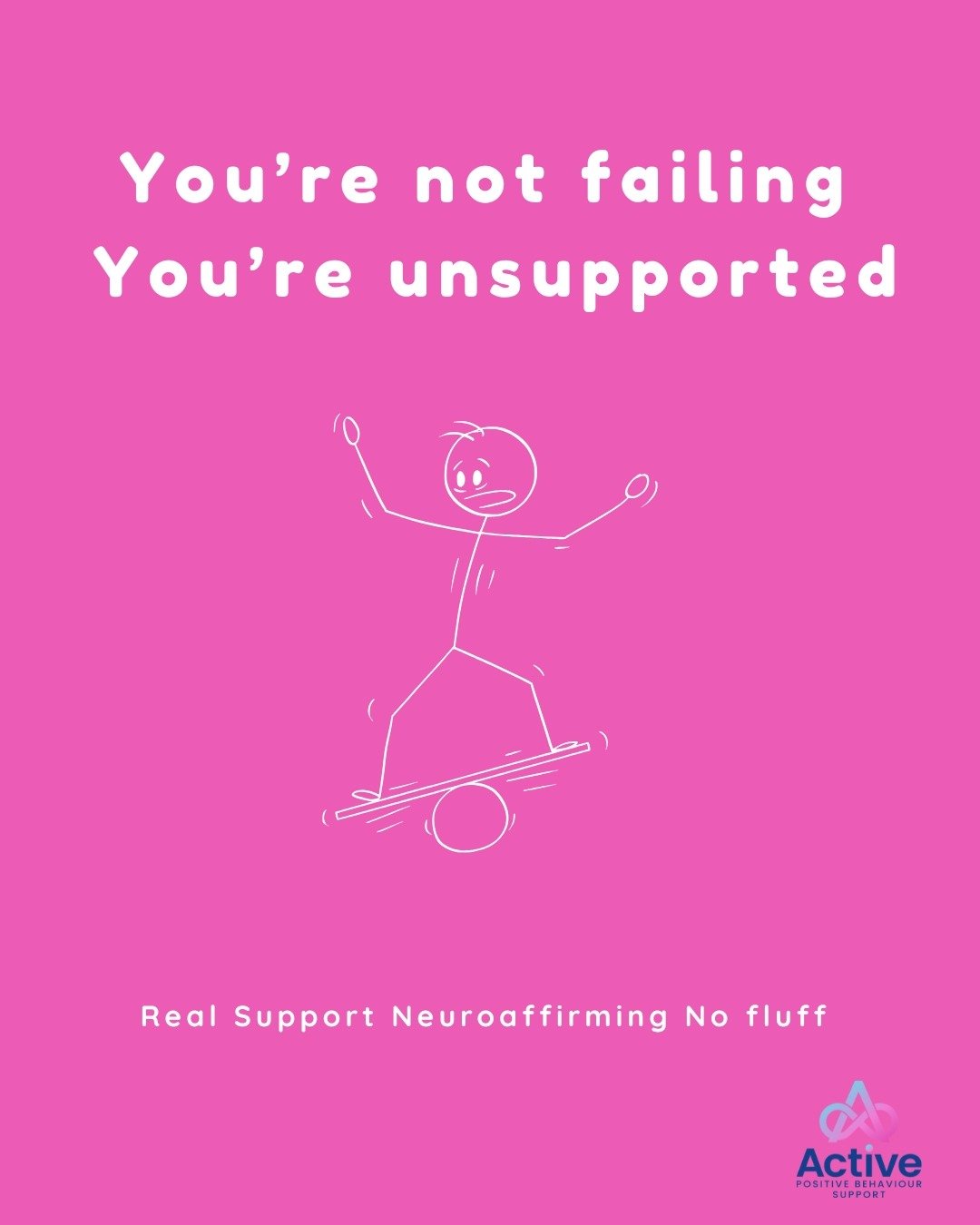
You’re not failing. You’re unsupported.
Read that again.
If you’re feeling overwhelmed, touched out, burnt out, or like you’re somehow not doing enough, it’s not because you’re a “bad parent.”
It’s because you're carrying too much with too little support.
➡ Navigating neurodivergence
➡ Managing school calls, waitlists, therapy
➡ Doing the mental load of ten professionals
➡ While still trying to be calm, regulated, available... human
You don’t need more judgement. You need more understanding, better systems, and people in your corner who get it.
That’s what I’m here for, real support for real families.
💬 Tag a parent who needs to hear this today.
#neurodivergentfamilies #behavioursupport #ndparents #ndsupport #autismacceptance #adhdparenting #notjustamum #ndburnout #geelong #behavioursupportgeelong #activepbs